
Our Pharma Export Countries




Afghanistan
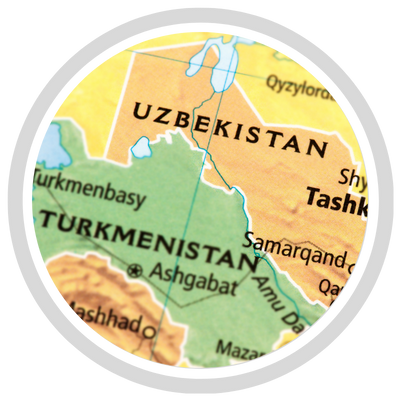
Turkmenistan
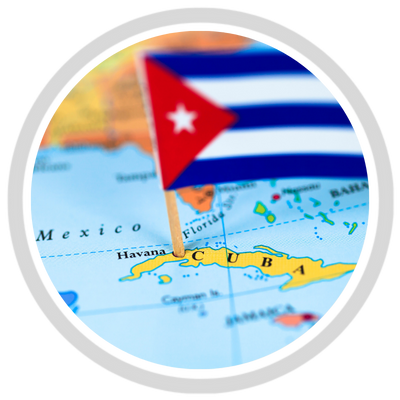
Cuba
Nepal
Sudan
Somalia




Yemen
Iraq
Bulgaria
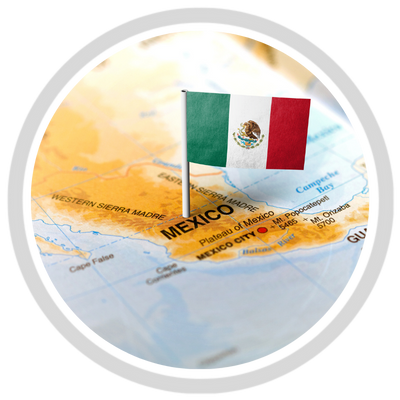
Mexico
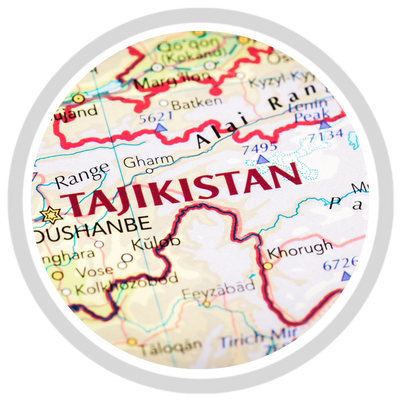
Tajikistan
South Sudan
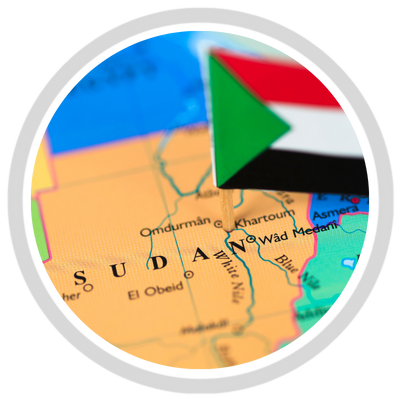

Sudan
Kazakhstan
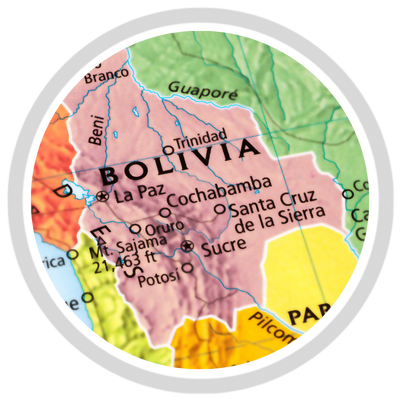
Bolivia
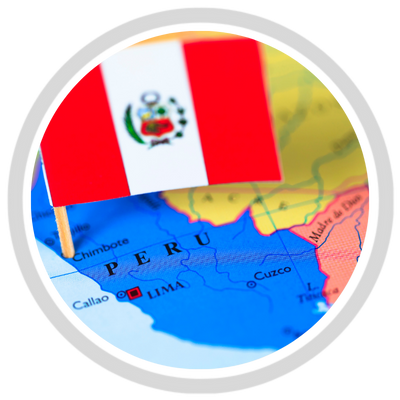
Peru
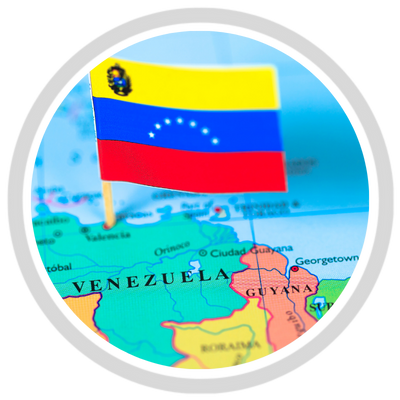
Venezuela
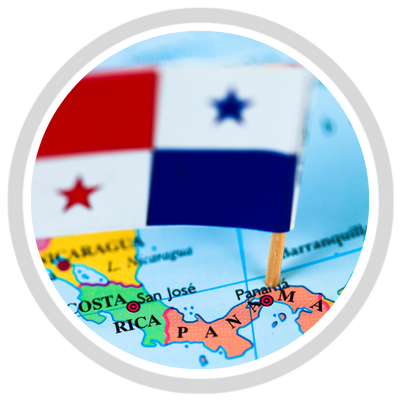
Costa Rica
International Venture
Edmund Healthcare has established a strong distribution network, enabling them to efficiently deliver products to various countries. Their expertise in handling regulatory procedures, documentation, and logistics ensures smooth and timely delivery of pharmaceutical products, meeting the demands of global markets. The company's focus on customer satisfaction and building long-term relationships has helped them establish a solid reputation in the pharmaceutical export sector.
In addition to their extensive product range, Edmund Healthcare is dedicated to innovation and staying at the forefront of industry trends. They invest in research and development to introduce new and improved formulations, catering to the evolving needs of patients and healthcare professionals. This proactive approach not only enhances their product portfolio but also positions them as a trusted partner for pharmaceutical companies seeking reliable export solutions.
Pharmaceutical companies going global face the initial challenge of regulatory compliance. Each country has its own regulatory body, such as the FDA in the United States, EMA in Europe, and CDSCO in India, which set stringent guidelines for drug approval. Navigating these regulations requires a deep understanding of the local pharmaceutical landscape and often necessitates partnerships with local entities to facilitate the approval and marketing of products.
Market research is crucial in understanding the medical needs and consumer behavior in different regions. For instance, a drug popular in one country might not be needed in another if the disease it treats is not prevalent there. Additionally, cultural factors can influence consumer behavior significantly, affecting how pharmaceutical products are marketed and distributed. Companies must adapt their marketing strategies to fit local cultures and languages to ensure effective communication and product positioning.
Establishing a strong local presence through subsidiaries or joint ventures with local firms can provide significant advantages, including insights into the local market and easier navigation through bureaucratic processes. These partnerships can also aid in building a local manufacturing base, reducing logistics costs, and ensuring quicker response times to market demands.
Moreover, international ventures allow pharmaceutical companies to diversify their product portfolios and reduce dependency on single markets. This diversification helps mitigate risks associated with market volatility and regulatory changes in individual countries.